
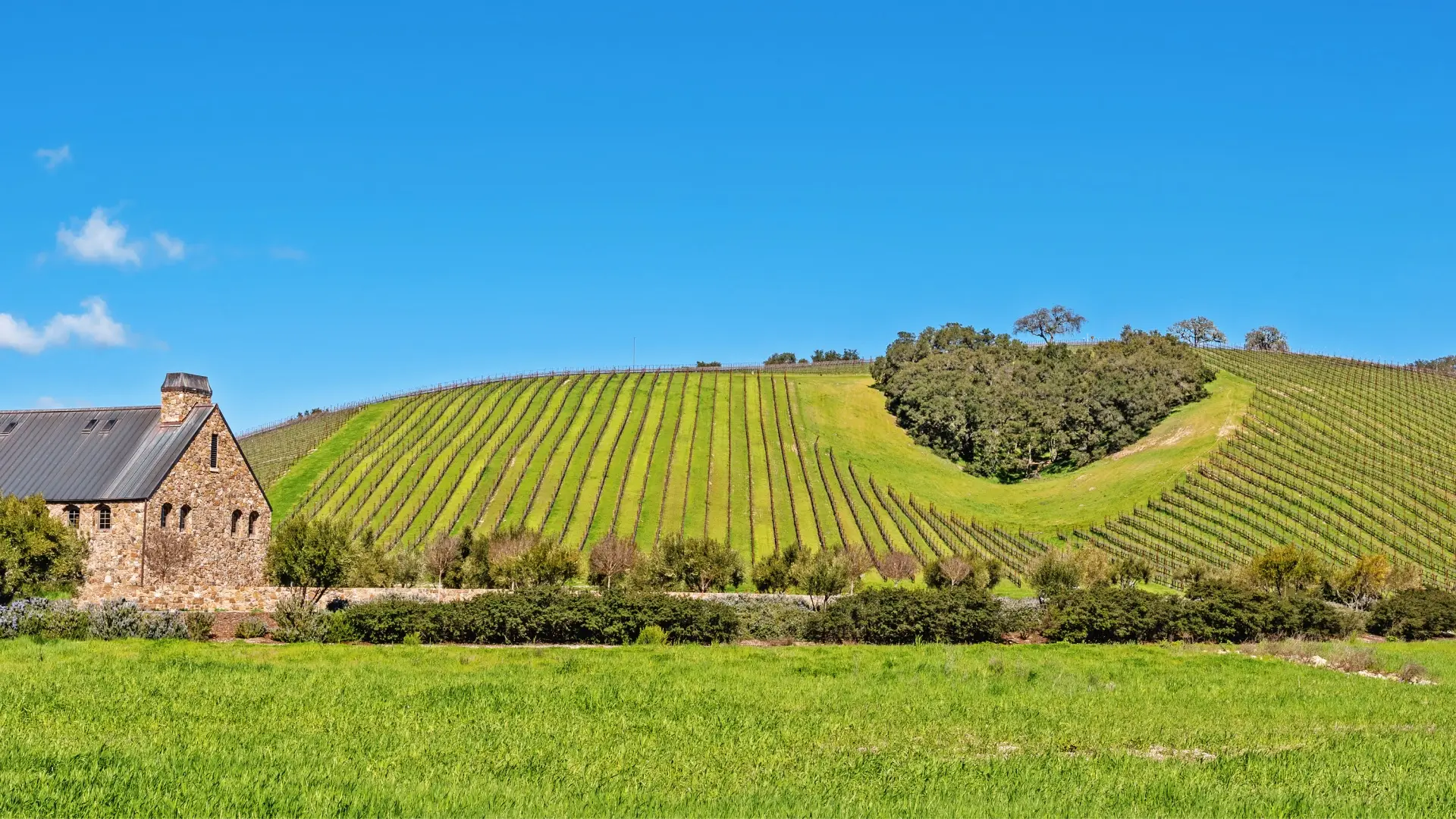
Paso Robles is the Central Coast’s boldest inland destination — a working wine region with more than 200 wineries, a walkable downtown built around a historic park square, and a culinary scene shaped by the same ranches and farms that surround it. It is not a beach town, and it does not pretend to be. What it offers instead is a concentrated, unhurried version of California wine country where serious Rhône and Bordeaux varietals share the landscape with olive orchards, almond groves, and oak-studded ranchland.
This guide is built for trip planning. Whether you have an afternoon to spare on a Highway 101 drive or a full long weekend to dedicate, the sections below will help you decide what to prioritize, where to eat and sleep, and how to structure your time so the destination feels cohesive rather than rushed.
In This Article
Quick Take
- Best for: Wine-focused travelers, food-driven weekends, couples, and small groups
- Ideal trip length: 2–3 days
- Best season: Spring for green hills and milder temperatures; fall for harvest energy and warm days
- Don’t miss: A morning on the westside wine trails, dinner downtown, and a slower drive through the hills west of town
- Pairs well with: A coastal day in Morro Bay or a detour to Cayucos
Why Paso Robles Is Worth The Trip
Paso Robles occupies a different register than most California wine destinations. It is warmer, drier, and more rugged than Napa or Sonoma, and the wines often reflect that intensity. The region is especially respected for Cabernet Sauvignon, Rhône varietals, and bold blends shaped by hot days and cool nights.
But wine alone does not explain the draw. Downtown Paso Robles has a real center of gravity: a historic park square ringed by restaurants, tasting rooms, and shops that make it easy to settle into the place on foot. The countryside around it still reads as working land rather than scenery staged for visitors. Vineyards share the landscape with olive groves, ranches, orchards, and open hills, and that agricultural depth carries directly into the food scene.
For travelers who want a serious wine-country weekend without the polish fatigue of more overexposed destinations, Paso Robles is one of the strongest cases on the Central Coast.
Best Things To Do In Paso Robles
Explore The Westside Wine Trail
The westside of Paso Robles — especially the Adelaida District and Willow Creek area — is where many of the region’s most distinctive wine experiences begin. The roads are hillier, the vineyards sit at higher elevations, and the tasting atmosphere often feels more personal than the larger estates found along easier commercial corridors. This is the side of Paso that tends to leave the strongest impression on first-time visitors.
For vineyards where the scenery matters almost as much as the pour, see our guide to Central Coast wineries with the best views.
Walk The Downtown Square
Paso Robles has one of the most useful downtown cores on the Central Coast. The park-centered square gives the destination a real focal point, and the surrounding blocks make room for tasting rooms, cafés, boutiques, bars, and restaurants without feeling overbuilt. It is one of the easiest places in the region to park once and let the day unfold more slowly.
Drive Highway 46 East
The eastside wine corridor offers a more accessible, less winding introduction to Paso Robles wine country. For travelers who want a smoother first tasting day — or who prefer larger estates and more straightforward routing — this side of the region can be the better fit.
Visit Sensorio
Sensorio’s large-scale light installation has become one of Paso Robles’ best-known attractions. The draw is not just spectacle but contrast: an immersive art experience set against open inland hills. If it fits your dates and pacing, it is one of the strongest non-winery evening experiences in the area.
Follow The Olive Oil Trail
Paso Robles’ agricultural identity extends well beyond wine, and olive oil is one of the best examples. Tastings at local producers offer a different but equally place-specific way to understand the region. For travelers who want the destination to feel broader than vineyard hopping, this is a smart addition.
Soak In The Hot Springs
Paso Robles still carries its older spa-town history beneath the wine boom. Mineral soaks and hot-springs-oriented wellness stops can add a restorative counterpoint to a tasting-heavy itinerary, especially if the trip is meant to feel more celebratory than purely activity-driven.
Catch Live Music Or Seasonal Events
Paso Robles supports a stronger events and performance calendar than many travelers expect. Concerts, wine events, food weekends, holiday markets, and seasonal festivals can all add dimension to a trip if the timing aligns.
Where To Stay In Paso Robles
Paso Robles lodging breaks into three useful approaches: downtown stays for convenience, vineyard-oriented resorts for atmosphere, and more spacious rentals or smaller inns for groups and slower weekends.
For A Vineyard-Style Stay
Allegretto Vineyard Resort remains one of the clearest examples of how a Paso Robles hotel can become part of the trip rather than simply a place to sleep. For travelers planning a couples’ weekend or a more polished wine-country stay, this is the kind of property that sets the tone.
For A Downtown Base
If your priority is walkability, staying close to the square makes the trip easier. You can move between dinner, tasting rooms, and evening strolling without rebuilding the whole schedule around driving.
For A Slower, More Rural Pace
Vacation rentals, inns, and smaller stays outside the center of town work well for travelers who want more quiet, more space, or closer access to vineyard roads. This is often the better fit for longer stays and group trips.
Planning note: Lodging tightens up quickly during harvest season, major event weekends, and holidays. Midweek and shoulder-season visits usually give you more room to choose well rather than just take what is left.
Where To Eat And Drink In Paso Robles
Paso Robles now has the kind of dining scene that can justify the trip on its own. The best meals here do not feel imported from elsewhere; they feel inseparable from the region’s agricultural base, wine culture, and slower inland pace.
What The Food Scene Does Well
The strongest Paso Robles restaurants lean into ingredients that belong to the surrounding landscape: ranch-raised meats, Central Coast produce, local olive oil, and wine programs that treat Paso bottles as the center of gravity rather than an afterthought. That gives the dining scene more coherence than in many tourism-heavy destinations.
For a deeper restaurant plan, see our guide to the best farm-to-table restaurants in Paso Robles.
How To Plan Meals Well
- Build one memorable dinner into the trip. Paso rewards travelers who treat at least one evening meal as part of the destination, not just as logistics after tasting.
- Use lunch strategically. A proper midday meal helps pace the day and makes wine-country travel feel more civilized.
- Use downtown for flexibility. If the daytime route changes, downtown gives you more options for tasting, dinner, and a slower evening reset.
- Book ahead on weekends. The stronger kitchens and more desirable tables tighten up quickly, especially in harvest season and on holiday weekends.
Beyond Wine
Wine is still the main draw, but Paso also offers beer, spirits, coffee, and olive-oil-driven culinary experiences that keep the trip from feeling repetitive. That wider food-and-drink layer is one of the reasons the destination holds up beyond a single tasting day.
Best Time To Visit Paso Robles
Spring
Spring is one of the most appealing times to visit. The hills are greener, temperatures are moderate, and the landscape feels fresh rather than sun-struck. For many travelers, this is the most visually rewarding season.
Summer
Summer brings long days and plenty of energy, but also serious heat. It works best when you build the day around cooler mornings, slower afternoons, and evening resets.
Fall
Fall is harvest season and the most naturally high-profile time to visit Paso Robles wine country. The region feels active, the event calendar is stronger, and the weather often lands in a very comfortable range.
Winter
Winter is quieter and more understated. This is a strong choice for travelers who care more about pace, availability, and lower crowd pressure than peak-season buzz.
What To Know Before You Go
Plan Transportation Before You Taste
Paso Robles is not a destination where you should improvise once the day is underway. If multiple tastings are part of the plan, decide in advance whether that means a designated driver, a booked service, or a much more limited tasting schedule.
Choose A Style Of Trip Early
The best Paso Robles weekends usually follow one of three lanes: wine-heavy, food-and-hotel focused, or mixed destination exploration. If you decide that up front, the destination becomes much easier to shape well.
Do Less Than You Think
This is one of the most important planning rules here. Paso is stronger when you choose fewer better stops rather than trying to cram the day with appointments, especially if you also want dinner, downtown time, and a hotel experience that does not feel wasted.
Book Priority Stops Ahead
If there is a winery, dinner, hotel, or event that matters to you, lock it in early. Paso rewards a lightly planned trip far more than a completely reactive one.
A 1-Day And 2-Day Paso Robles Itinerary
If You Have One Day
Morning: Start downtown with coffee or breakfast, then head into wine country for one well-chosen tasting or scenic stop.
Midday: Build in lunch with intention, then decide whether the afternoon should include one more tasting or a slower return toward town.
Afternoon: Spend time downtown, shop lightly, or fit in a non-wine experience like a hot springs soak.
Evening: End with a strong dinner, ideally without needing to rush straight back out of town.
If You Have Two Days
Day 1: Let the first day introduce the place: wine country, check-in, downtown, dinner.
Day 2: Use the second day to deepen the trip: a stronger tasting route, a slower lunch, more countryside, or one additional specialty experience beyond wine.
Two days is often enough for Paso Robles to feel like a destination rather than a stopover.
Nearby Places To Add To Your Trip
Nearby Destination
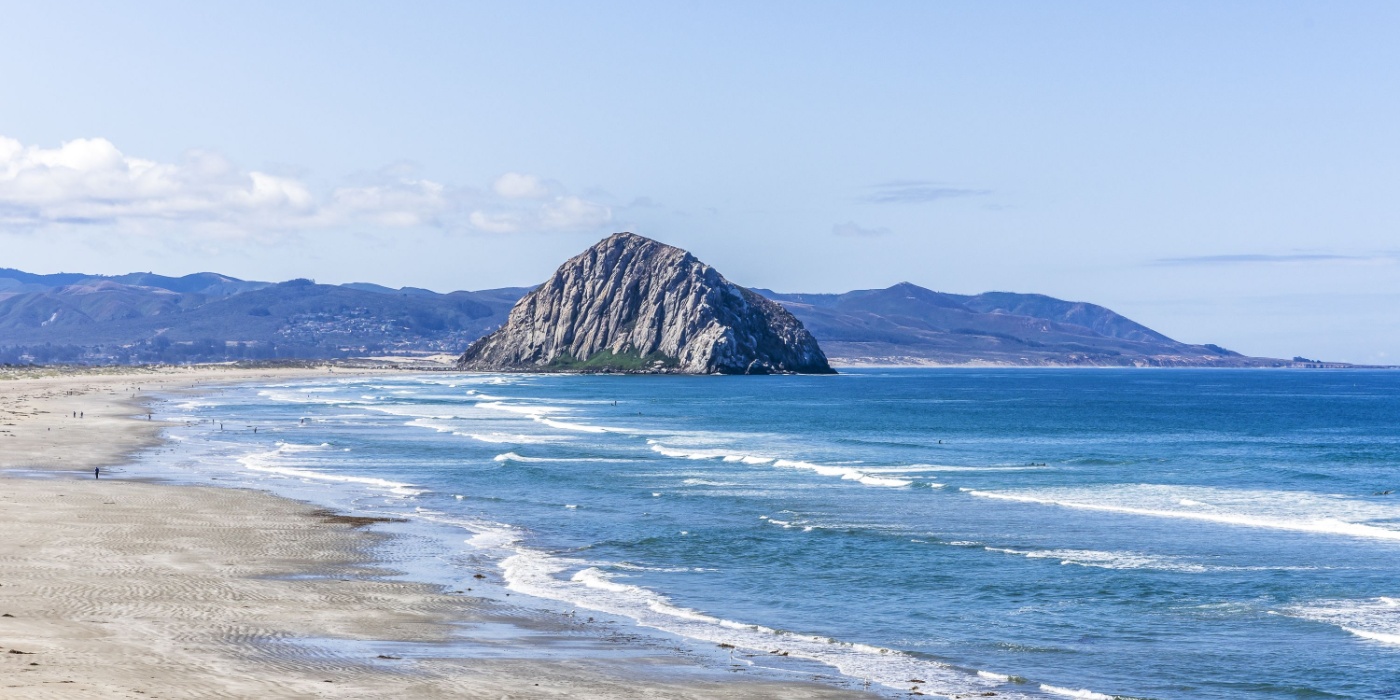
If you want to balance inland wine country with the coast, Morro Bay is the cleanest pairing — cooler, calmer, and easy to fold into a broader Central Coast weekend.

Nearby Destination
For a quieter beach-town add-on, Cayucos brings a softer, more old-school coastal mood that contrasts nicely with Paso Robles wine-country intensity.

Nearby Destination
San Luis Obispo works well before or after Paso if you want more downtown energy, broader dining options, and a different rhythm without leaving the region.
Frequently Asked Questions About Paso Robles
Is Paso Robles worth visiting if you are not deeply into wine?
Yes. Wine is the anchor draw, but the destination also works for travelers interested in food, hot springs, scenic drives, olive oil, and slower Central Coast trip planning.
How many days do you need in Paso Robles?
Two days is the strongest fit for most travelers. One day can work, but it compresses the trip more than the destination deserves.
What should you do in Paso Robles besides wine tasting?
Olive oil tastings, hot springs, downtown dining, live events, scenic drives, and installations like Sensorio all broaden the trip beyond vineyards alone.
Is downtown Paso Robles worth visiting?
Yes. It is one of the destination’s most useful assets and gives the trip a stronger sense of place.
When is the best time to visit Paso Robles?
Spring and fall are usually the strongest overall seasons, though winter can be excellent if you want a quieter trip.
Why Trust This Guide
This page is designed as a true destination pillar: a central planning guide that helps readers understand how Paso Robles actually works as a trip. Its purpose is not to overpraise the destination or overwhelm the reader with winery names, but to clarify what deserves priority, how the pieces fit together, and where to go next within TheCentralCoast.com for deeper planning.





No comment